For most students, arriving at high school means walking into a familiar building filled with classmates they have known for many years, since they were babies.
For international students, however, the first day can be exciting and overwhelming. They are entering a completely new country, school system, and different culture.
“I was excited because I had no idea what American culture, lifestyle, and school looked like; however, I was also calm at the same time,” Italian international student Davide Martini said.

“Because, in my case, I didn’t know anybody, and I was far from my home country. I took this situation as my personal challenge. I was trying to adapt to the environment from the very beginning.”
What many students do not see is the amount of planning, support, and preparation required before an international student even steps into the classroom.
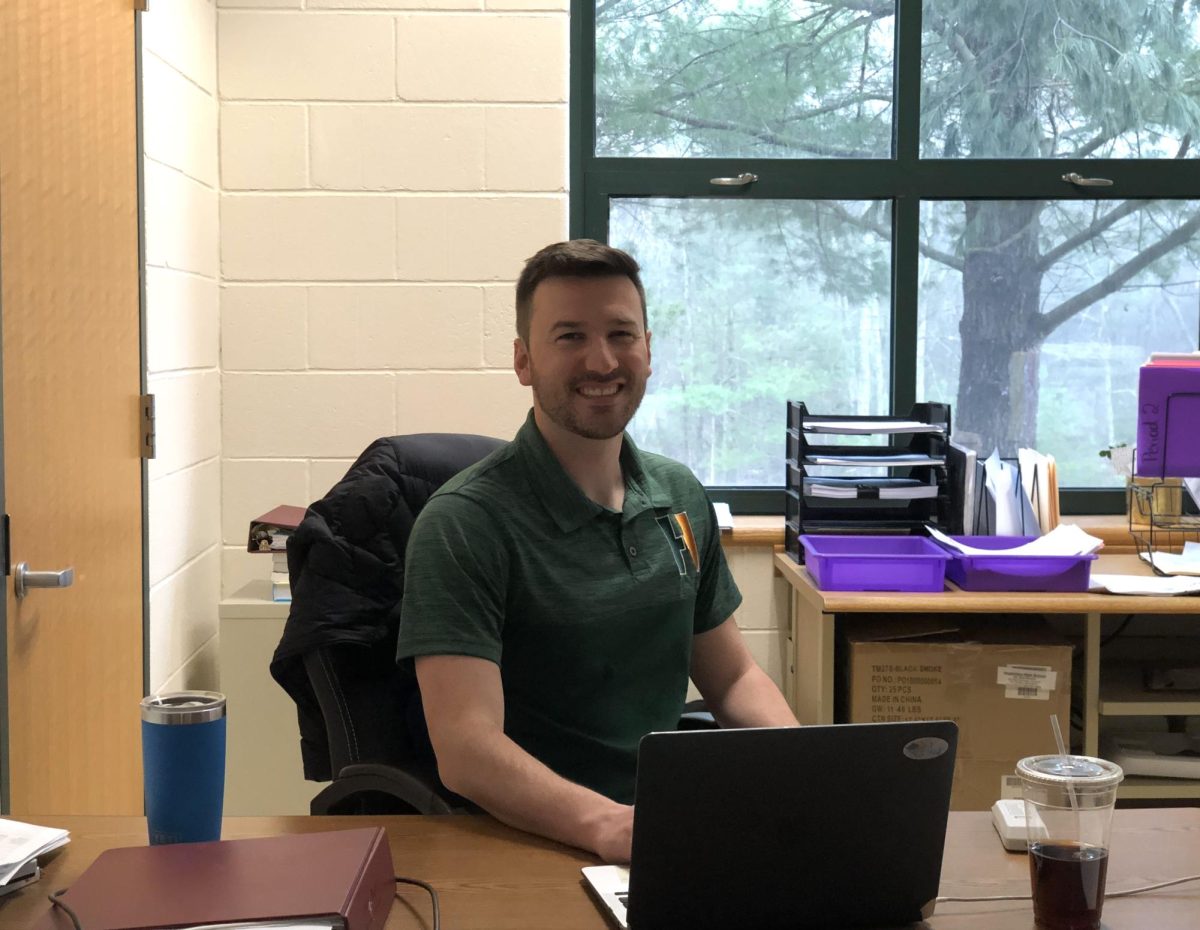
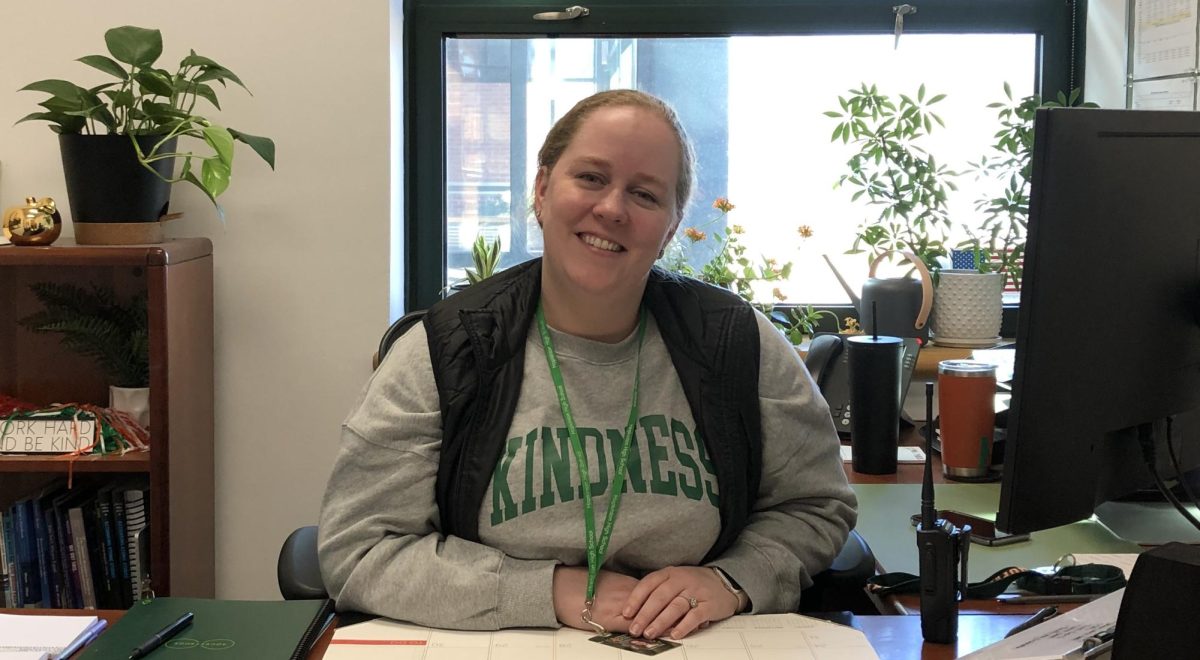
According to Andrew Longoria and Laura Theis, the process of accepting international students involves careful coordination among international organizations, local coordinators, host families, and school staff.
Their goal is to ensure that each student has the academic, emotional, and practical support needed to succeed.
A Program Years in the Making
Hopkinton High School has welcomed international students for 20 years, giving students from all over the world the opportunity to study and experience the United States.

Andrew Longoria, who mainly oversees the program, said international students are selected through established international organizations. These organizations screen applicants, review academic records, and evaluate English proficiency before matching students with host families and schools.
By the time students are assigned to Hopkinton, they have already completed a long application process and demonstrated they are prepared to live and study in the United States, which is often very different from their home country in climate, food, and lifestyle.
The number of students who attend each year varies depending on available host families and the school’s ability to support them. This year, there are 14 international students, while there will be 18 next year.
Students from Around the World
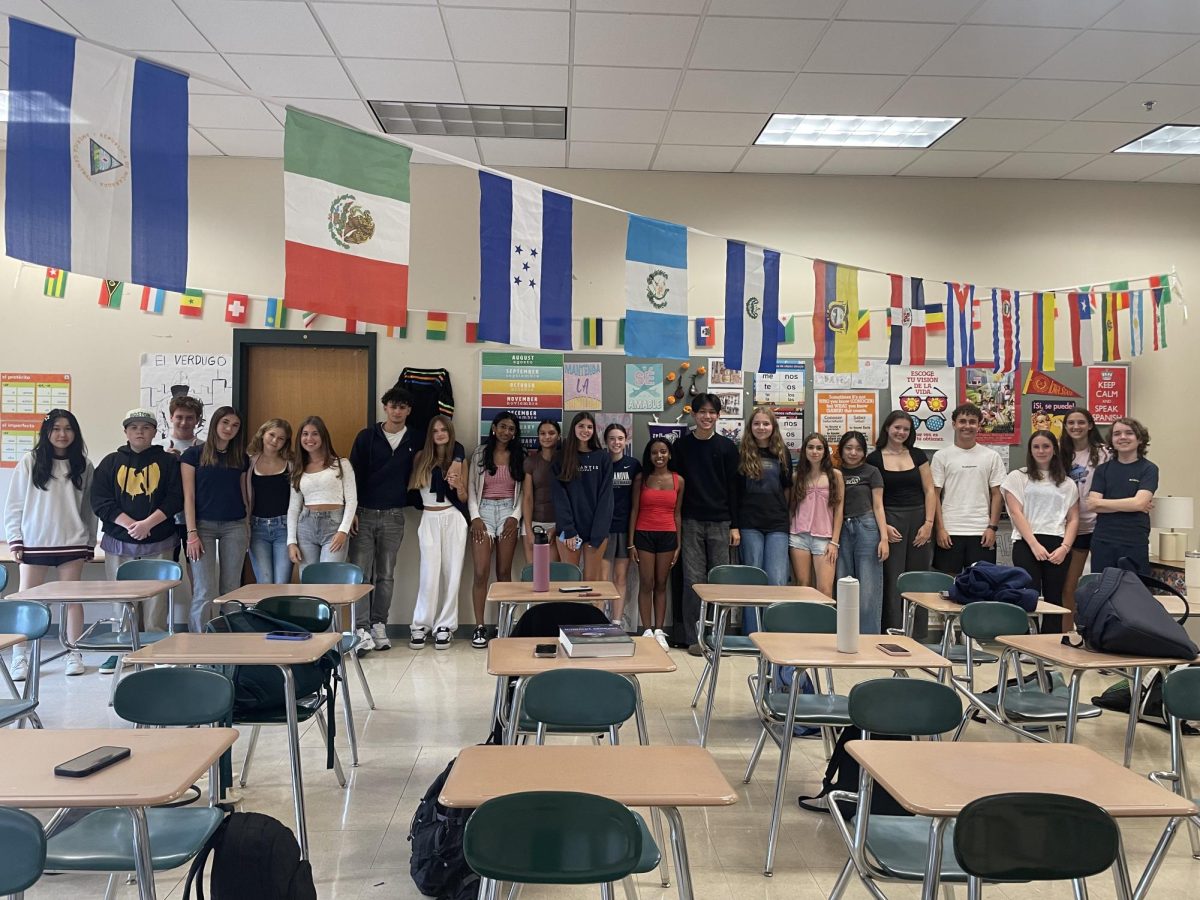
The international program brings people from around the world, each with their own culture, language, and educational background.
According to Longoria, this diversity is one of the most valuable aspects of the program.
“It gives our students the opportunity to see the world from another point of view,” Longoria said.
Preparing Before Arrival
Long before international students arrive in Hopkinton, they are expected to complete several steps of preparation.

Laura Theis explained that international students must submit school records and meet language requirements. They also need to know American culture, school expectations, and the responsibilities they will have while living with a host family.
These preparations help students understand what to expect and reduce the uncertainty of moving to another country.
Still, no amount of preparation can eliminate all of the challenges that come with living in a different country.
Longoria values talking with the international students to know what they expect for the coming year in the United States.
“I interview to get to know international students, and they get to know me and what the expectations are for being in Hopkington,” Longoria said. “There’s so much out there that they don’t or they can’t find on the Internet that I want to share with them before they make that final decision to come.“
The School’s Responsibility
Once students are accepted, the high school takes on the responsibility of helping students adjust.
Longoria said the school’s responsibility is to ensure that students are enrolled in appropriate classes, understand school policies, and know where to seek support.
“We want them to feel safe and included,” he said.
Theis added that the staff members monitor students’ academic progress and check in regularly to see how they are adjusting socially, academically, and emotionally.
Since international students are far from home, having trusted adults at school is especially important.
The role of Local Coordinators
Another key part of the international program is the local coordinator.
Local coordinators serve as a bridge between the students, host family, school, and exchange organization in each country. They help resolve problems, conduct regular check-ins, and provide guidance throughout the year.
They sometimes gather international students and hold lunch to make sure students are doing well, since they may need time to talk about whatever they are concerned about in their lives.
If issues arise, whether academic, personal, or cultural, coordinators work with the school and host family to find solutions.
According to Theis, the partnership helps ensure the students always have multiple sources of support, so they are one of the trusted people for the international students and the school.
Host Families Open Their Homes

Host families are essential to the success of the program.
They provide the students with housing, meals, transportation, and daily support. More importantly, they offer international students a sense of belonging.
Longoria emphasised that host families do much more than provide a place to stay and sleep.
“They are sharing their lives with these students,” Longoria said.
Host families introduce students to American traditions, help them navigate everyday challenges, including academic, emotional, and cultural, and build relationships that continue long after the year ends.
Expectations for International Students
International students are expected to be responsible representatives of both their home countries and the program.
According to Theis, students are expected to
- Maintain satisfactory academic performance
- Follow class rules
- Attend classes regularly
- Participate in daily life
- Communicate openly when problems arise
The experience requires maturity, flexibility, and a willingness to adapt.
Expectations for the Community
The success of the program also depends on the Hopkinton community.
Longoria said local students play an important role by making international students feel welcome, safe, and comfortable.
A simple invitation to sit together at lunch, join a club, or attend a school event can help students feel connected.
Teachers and staff also contribute by being patient and understanding as students adjust to a new language and educational system.
The Most Rewarding Part
For Longoria, one of the most rewarding aspects of overseeing the program is watching students grow.
Student often arrive feeling nervous and uncertain, but they become more confident and independent throughout the year, living without their parents in a completely different country.
Theis said, it is especially meaningful to see international students develop friendships and become active members of the school community.
By the end of the year, many students feel that Hopkinton has become a second home.
More Than a Cultural Exchange
Although international students come to the United States to study, the program offers benefits that extend far beyond academics.
Students gain independence, improve their language skills, and develop a broader understanding of the world. At the same time, the Hopkinton community gains firsthand exposure to new cultures and perspectives.
According to Longoria and Theis, the program succeeds because of collaboration, preparation, and a commitment to making every student feel welcome and comfortable.
From the initial application to the final farewell, accepting international students is a complex process. But for the students who arrive in Hopkinton and the community that embraces them, the rewards last far beyond a single year.